

DreamSofa Introduces Zero-Bar Frame Design for Sleeper Sofas, Aimed at Eliminating the Central Support Bar
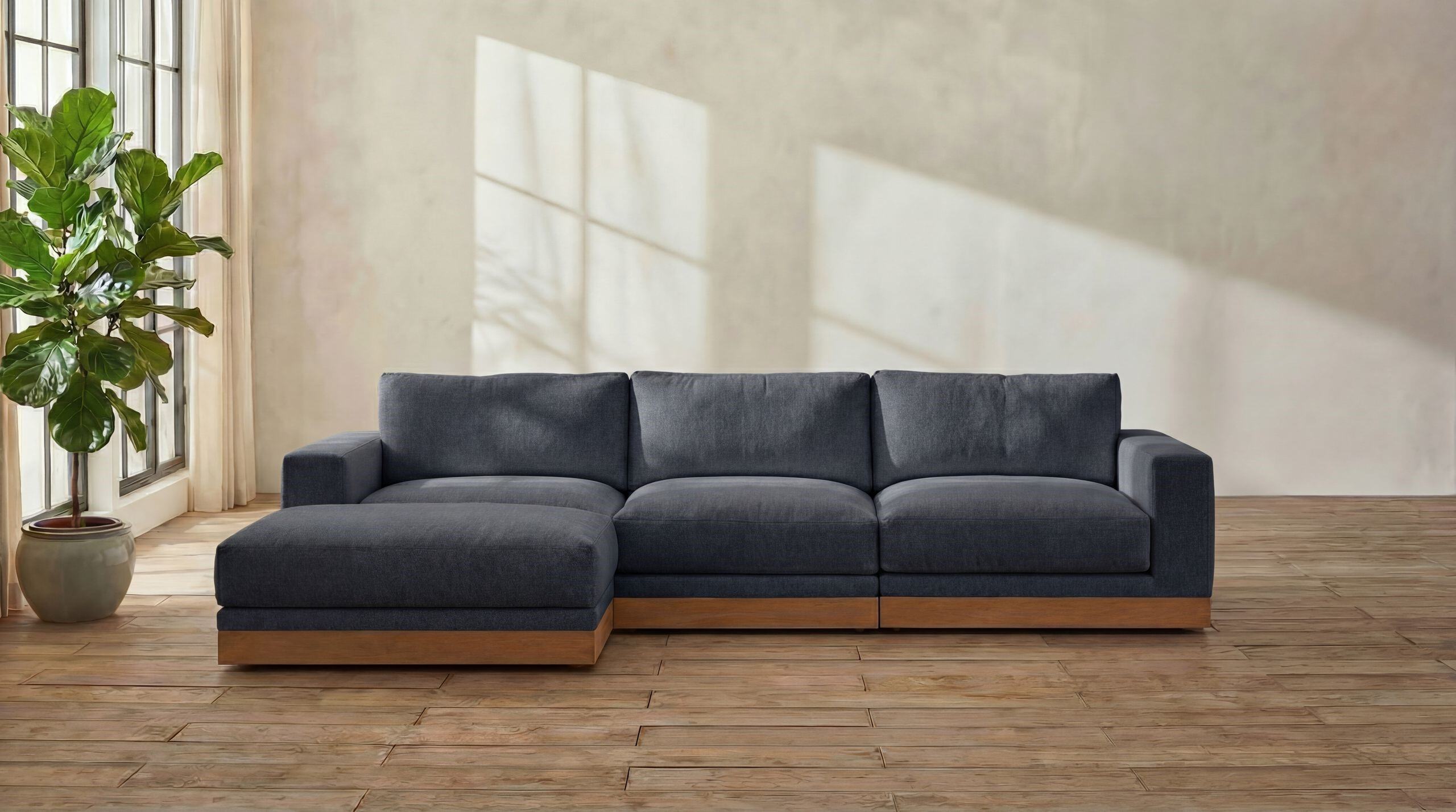
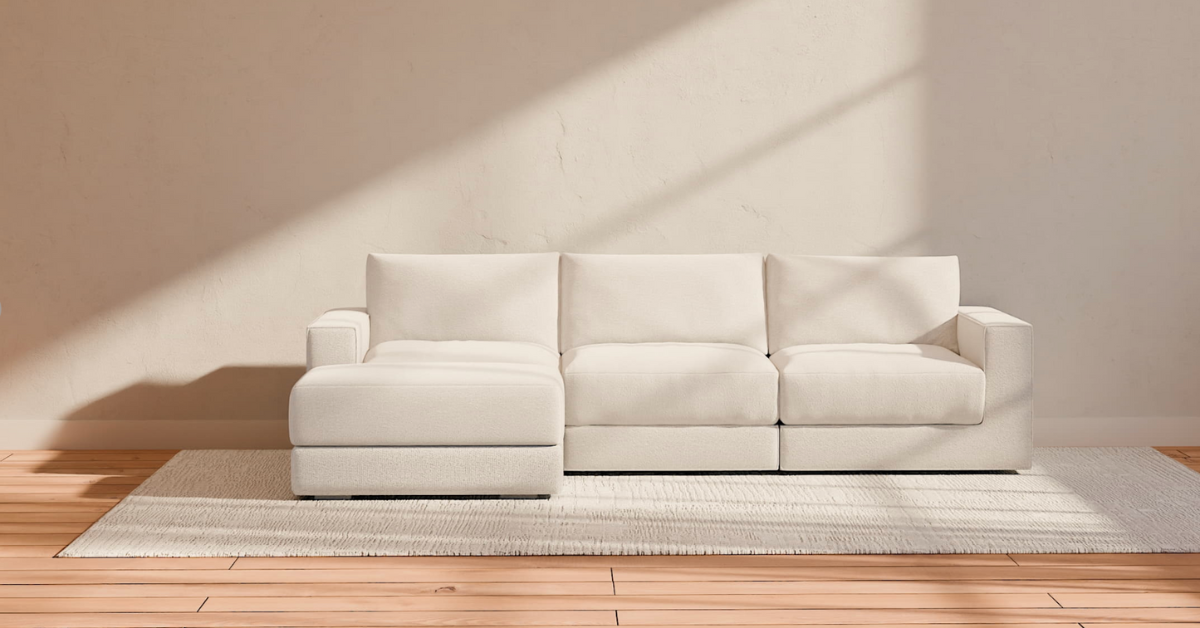
Landon Sectional
Most sleeper sofas rely on a transverse metal bar running across the width of the frame to keep it rigid when unfolded. Furniture reviewers and consumer publications have written for years about that bar creating a hard ridge under the mattress, roughly at lower-back height, when the sofa is used as a bed. The bar has remained standard across the category in part because it is a simple, low-cost way to stabilize a fold-out frame under load.
DreamSofa's engineering team says it addressed the same stability requirement differently: a distributed-tension design that anchors structural load at reinforced points around the frame's perimeter, rather than in one central bar. The company says this produces a flat sleep surface without the center ridge. The frame is built from kiln-dried solid wood — the material standard DreamSofa uses across its furniture line — with connection hardware the company says it rates for up to 900 pounds of combined dynamic load.
According to DreamSofa, building a distributed-load frame requires tighter manufacturing tolerances than a standard bar-and-hinge mechanism. The company says a conventional design can tolerate variances of roughly 8 to 10 millimeters without affecting comfort, since the bar absorbs inconsistencies elsewhere in the frame; a bar-free design, by contrast, requires tolerances closer to 2 millimeters across the frame, connection points, and mattress support to keep the surface flat. DreamSofa attributes the limited industry adoption of bar-free designs partly to that manufacturing difficulty, and says its own mechanisms use aluminum alloy connection hardware rather than the stamped steel typical of lower-cost frames.
The redesign also extends to storage. DreamSofa says it built lift-top storage compartments into the sides of the frame, rather than beneath the seat cushion, so the compartments do not need to be cleared to access the fold-out mechanism. The company says it targets an 18-inch seat height for the line, consistent with standard upholstered furniture.
DreamSofa also points to a dimensional issue it says is common in the category: full-size mattresses are a standard 54 by 75 inches, but the sofa frames built around them can range from about 68 to 82 inches wide depending on arm style, which can affect how a mattress and frame fit together. The company applies its FlexForm custom-sizing system to the sleeper line to keep frame and mattress proportions consistent across custom sofa sizes.
"For a long time, the assumption was that a sleeper sofa only had to be good enough for a night or two a year," said a DreamSofa spokesperson. "We built this frame on the assumption that it needs to function as a bed, not just fold out into one."
DreamSofa says the Zero-Bar frame is now part of its standard DreamSleeper offering.
About DreamSofa
DreamSofa is a direct-to-consumer custom furniture manufacturer specializing in made-to-order sofas, sectionals, modular seating systems, and sleeper sofas built on kiln-dried solid wood frames. Its DreamSleeper line uses the company's Zero-Bar Support system. Every DreamSofa piece is backed by a lifetime frame warranty and a 100-day home trial. More information is available at www.DreamSofa.com.
This press release describes DreamSofa's own product design and general, publicly discussed considerations related to fold-out sofa bed construction. It is not medical advice and does not represent a specific clinical or scientific study.
Maria Gonzalez
MGP
email us here
Legal Disclaimer:
EIN Presswire provides this news content "as is" without warranty of any kind. We do not accept any responsibility or liability for the accuracy, content, images, videos, licenses, completeness, legality, or reliability of the information contained in this article. If you have any complaints or copyright issues related to this article, kindly contact the author above.
